




Single-Sided Printed Circuit Boards: Main Application Fields
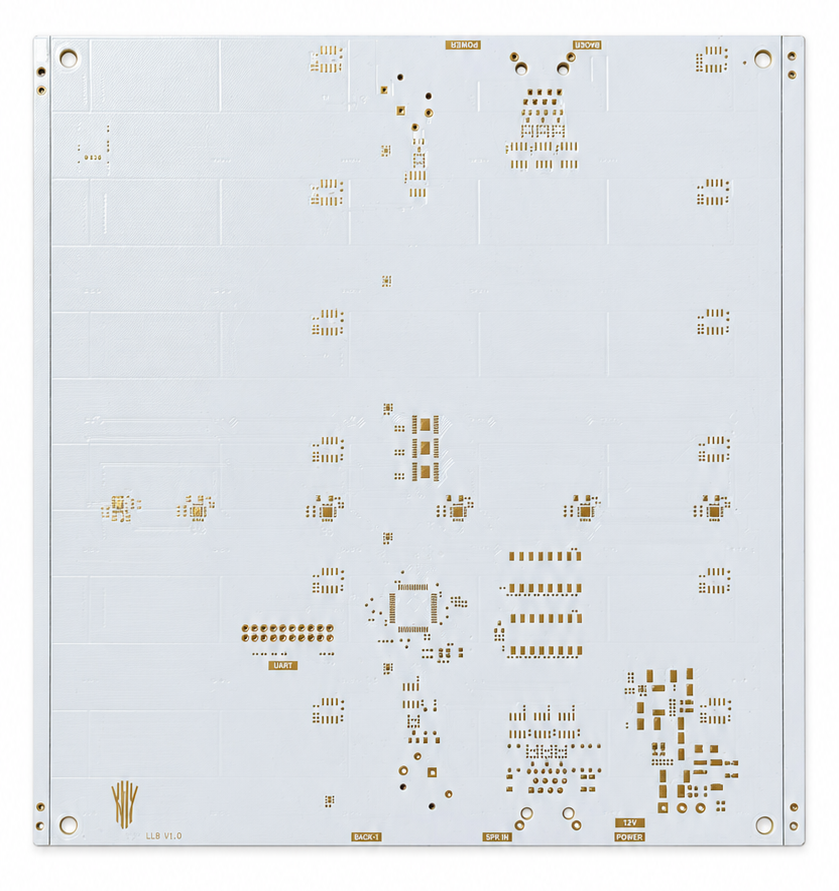
Single-sided printed circuit boards (single-layer PCBs) are the simplest and most cost-effective type of circuit board used in electronics manufacturing. They consist of one layer of conductive copper mounted on one side of an insulating substrate, while the other side is typically used for mounting electronic components. Due to their straightforward design, ease of production, and low cost, single-sided PCBs remain widely used across many industries, especially in applications where circuit complexity is relatively low. ⚙️
1. Consumer Electronics
One of the most common fields for single-sided PCBs is consumer electronics. Many everyday household devices do not require complex circuitry and can operate efficiently with a single conductive layer. Products such as remote controls, calculators, electronic toys, clocks, radios, and basic audio devices often rely on single-layer boards.
These products prioritize affordability and mass production, making single-sided PCBs an ideal choice. Their simple structure reduces manufacturing time and minimizes defects, which is crucial for high-volume consumer markets. Additionally, repair and replacement costs are low, benefiting both manufacturers and end users. 📺
2. Lighting Equipment
Lighting systems, particularly LED lighting, represent another major application area. Single-sided PCBs are frequently used in LED bulbs, tube lights, decorative lighting, emergency lights, and signage illumination. In many of these designs, the circuit is relatively simple—primarily providing power regulation and distribution to the LEDs.
Metal-core single-sided PCBs, especially aluminum-based boards, are popular in high-power LED applications because they provide excellent heat dissipation. Efficient thermal management helps maintain brightness, extend lifespan, and improve energy efficiency. As global demand for energy-saving lighting continues to grow, the use of single-sided PCBs in this sector remains strong. 💡
3. Power Supplies and Chargers
Low- to medium-power electrical devices such as adapters, battery chargers, and simple power supply modules commonly use single-sided PCBs. These circuits typically involve rectification, voltage regulation, and filtering, which can often be implemented without multilayer routing.
Using a single-layer board helps keep production costs low while maintaining adequate electrical performance. This is particularly important for accessories that accompany consumer products, where price competitiveness is a key factor.
4. Industrial Control Equipment
In industrial environments, many control panels and machinery systems include modules with relatively simple logic or switching functions. Examples include relay boards, sensor interface boards, timer circuits, and basic automation controls. Single-sided PCBs are well suited for these applications because they offer reliability, mechanical strength, and ease of maintenance.
Industrial users also value durability and straightforward troubleshooting. With components mounted on one side and visible traces on the other, technicians can easily inspect, repair, or modify the circuit when necessary. 🏭
5. Automotive Electronics (Basic Functions)
While modern vehicles use highly complex multilayer PCBs for advanced systems, single-sided boards still play a role in basic automotive electronics. Applications include interior lighting controls, simple dashboard indicators, window switches, and auxiliary modules that do not require dense circuitry.
Automotive environments demand resistance to vibration, temperature variation, and electrical noise. Single-sided PCBs designed for automotive use typically employ higher-quality materials and protective coatings to ensure long-term reliability.
6. Educational and Prototyping Purposes
Single-sided PCBs are widely used in education, training, and hobby electronics. Because of their simplicity, they are ideal for teaching circuit design, soldering skills, and electronic fundamentals. Students and hobbyists often build small projects—such as amplifiers, sensors, or microcontroller experiments—on single-layer boards.
They are also useful for rapid prototyping of simple products before moving to more complex multilayer designs. Low fabrication cost allows designers to iterate quickly without significant financial risk. 🎓
7. Home Appliances
Many small household appliances incorporate single-sided PCBs, including electric fans, kettles, rice cookers, washing machine control panels, and basic kitchen devices. These products often require straightforward control circuits, timers, or power management systems that do not justify the expense of multilayer boards.
Manufacturers favor single-sided designs because they reduce material usage and assembly complexity while maintaining dependable performance over long operating periods.
Conclusion
Single-sided PCBs remain an essential component of the electronics industry despite the rapid growth of advanced multilayer technologies. Their low cost, simple manufacturing process, high reliability for basic circuits, and ease of maintenance make them the preferred choice for numerous applications. From consumer electronics and lighting equipment to industrial controls, automotive subsystems, education, and household appliances, single-layer boards continue to support a vast range of products used in everyday life.
As long as there is demand for affordable, reliable, and uncomplicated electronic solutions, single-sided PCBs will continue to play a vital role in modern technology. ⚡